
8 Easy Ways to Clean Outdoor Door Mats
Your outdoor door mat is the first thing that comes into contact with dirt, mud, and debris before they enter your home. Over time, it can collect dust, allergens, and odors that may end up being tracked indoors instead of stopped at the door.
If you’re wondering how to clean outdoor door mats without damaging them, the process is simpler than it seems. In most cases, shaking off loose dirt, vacuuming, and scrubbing with mild soap is enough to restore a clean, fresh look. Whether you’re dealing with a heavy-duty rubber mat or a decorative coir design, these easy steps will help you remove built-up dirt and odors effectively.
| Step | What to Do | Why It Matters |
|---|---|---|
| Identify Material | Check if your mat is coir, rubber, or fabric | Helps you choose the right cleaning method |
| Check Care Label | Follow any manufacturer instructions | Prevents damage, shrinking, or fading |
| Shake Off Dust | Remove loose dirt and dust outside | Makes washing more effective |
| Vacuum | Use a brush attachment for deep fibers | Extracts fine dust that shaking alone misses |
| Scrub With Mild Soap | Use mild soap and a soft-bristled brush | Removes stains without damaging fibers |
| Rinse Thoroughly | Wash away all soap residue | Prevents stiffness and buildup |
| Deodorise (Optional) | Use baking soda or vinegar; avoid essential oils if you have pets | Neutralises trapped odors and bacteria |
| Dry Completely | Air dry before placing it back | Prevents mold, mildew, and smells |
How to Clean Outdoor Door Mats (Step-by-Step)
Identify Your Mat’s Material
Before you start cleaning, it’s important to know exactly what your door mat is made of. Different materials require different care – using the wrong cleaning method can damage the fibers or significantly shorten the mat’s lifespan.
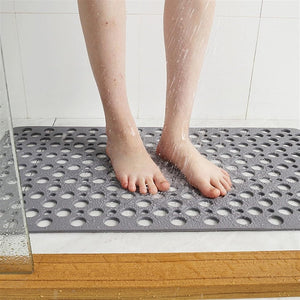
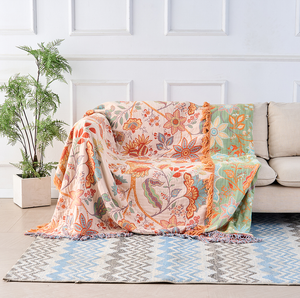
Outdoor mats are typically made from coir (coconut husk), rubber, or synthetic fabric blends. While coir mats require gentler handling and minimal water to avoid shedding or rot, rubber door mats can handle tougher scrubbing and rinsing. Fabric blends are often softer and, in some cases, even machine washable.
Check the Care Label
If your door mat has a care label, always follow those instructions first. It’s the most reliable way to avoid shrinking, warping, fading, or damaging the material. A quality mat is one of those essential items for any home, and keeping it in top condition starts with understanding how to handle its specific fibers.
This step is also important because some door mats are machine washable, while others may require hand cleaning. In rare cases, more delicate or decorative mats may even require professional dry cleaning. Taking a moment to check the label helps you choose the safest and most effective cleaning method.
Shake Off Loose Dirt and Debris
When cleaning your door mat, start by removing as much dirt as possible. Take the mat outside and give it a firm shake to get rid of dust, sand, and small debris trapped inside.
For heavier or larger door mats, you can hang them over a railing or a fence and gently beat them with a broom handle to loosen dirt. This simple step makes the rest of the cleaning process much more effective and prevents dust turning into mud when water is added.
Vacuum for Deeper Cleaning
After shaking out the loose debris, use a vacuum cleaner to remove finer dust and particles trapped deep within the fibers. This is especially useful for coir and fabric mats, where dirt and allergens tend to settle at the base of the material.
Use a vacuum with a brush attachment if possible – it helps lift dirt more effectively without damaging the surface. Avoid using high suction on delicate fibers, as it can pull or loosen the material over time. Focus on high-traffic areas where buildup is usually the heaviest. Once you’ve vacuumed the mat, lift it up and vacuum or mop the area underneath, too. This is where sand and dust often accumulate, and keeping the surface clean prevents it from scratching your floor or patio.
Scrub with Mild Soap (Based on Material)
Once the loose dirt is removed, it’s time for a deeper clean. Mix warm water with a small amount of mild detergent and use a soft-bristled brush to gently scrub the surface.
It’s important to adjust your technique based on the mat’s material. Coir mats should be scrubbed lightly and with minimal water to protect the natural fibers from shedding or rotting. Rubber mats, on the other hand, are much more durable – they can handle more vigorous scrubbing and a bit more cleaning solution to remove stubborn grime. For fabric mats, a gentle touch is best – remember to check if they are machine-washable for an even easier clean. Focus your efforts on high-traffic areas or visible stains to get the best results.
Rinse Thoroughly
After scrubbing, make sure to rinse the mat thoroughly with clean water to remove all soap residue. Leftover detergent can become sticky, attracting even more dirt and causing the fibers to feel stiff once dry.
If you have access to a garden hose, it’s the most efficient way to rinse evenly across the entire surface. However, if you live in an apartment or don't have outdoor water access, you can easily rinse your mat in the shower or bathtub using a handheld showerhead. For smaller mats, simply pouring a few buckets of clean water over them while tilted against a wall works just as well. Make sure all soap is washed out, especially in thicker or textured areas where residue tends to hide.
Remove Odors Naturally (Optional but Recommended)
If your doormat has developed odors, a simple natural treatment can help freshen it up. Sprinkle baking soda over the surface and let it sit for 15 – 20 minutes before shaking it off or rinsing. This simple method can help neutralise unwanted smells.
For an extra boost of freshness, you can mix a few drops of your favorite essential oil (such as lemon, lavender, or peppermint) into the baking soda before applying it. This helps leave a clean, subtle scent. However, if you have pets, it’s best to skip essential oils altogether, as some can be irritating or unsafe to animals. Instead, stick to baking soda alone or use a diluted vinegar solution to neutralize odors safely.
Dry Completely Before Use
Proper drying is just as important as cleaning. Always allow your door mat to dry completely before placing it back at your doorstep. This prevents moisture from being trapped underneath, which can lead to mold, mildew, or lingering odors.
Air drying is the best option. Place the mat in a well-ventilated area or outside in the shade to prevent vibrant colors from fading in direct sunlight. For heavier or larger fabric mats, make sure both sides dry evenly by flipping them halfway through. You can drape them over two parallel clotheslines or a drying rack so that the air flows through every part of it evenly. For rubber door mats, it’s safer to leave them lying flat on a clean surface or leaning them against a wall instead of hanging them over a line, which can lead to warping or breaking. A fully dry mat looks better and is also more effective at trapping dirt and moisture.

How Often Should You Clean Your Door Mat?
Outdoor mats don’t need constant washing, but regular maintenance makes a noticeable difference in how they look and perform. The frequency depends on your environment, the mat’s material, and the amount of foot traffic it handles.
To keep your entryway in top shape, follow these general guidelines:
- Once a week: Give your mat a quick shake or a light vacuum. This prevents surface dirt from settling deep into the fibers.
- Every 2 to 4 weeks: Perform a deeper cleaning using the steps mentioned above (scrubbing or more thorough vacuuming), especially during wet seasons or in high-traffic households.
If your mat is exposed to heavy rain, mud, or sand, or if you have pets that love to lounge on it, you might need to increase this frequency. On the other hand, mats placed in covered entryways or low-traffic areas can easily go 6 to 8 weeks between deeper washes.
You’ll know it’s time for a deeper clean when the mat starts to look dull, feels heavy with trapped dirt, or develops an odor. Keeping up with light, regular maintenance not only helps your entryway look cleaner but also extends the lifespan of your door mat over time.
Conclusion: Keep Your Outdoor Door Mat Clean and Fresh
Keeping your door mat clean and fresh can be done with a few simple steps like shaking, vacuuming, and occasional washing. This way, you can easily remove dirt, stains, and odors before they ever make their way inside your home.
The key to washing your outdoor door mats effectively and keeping them clean is consistency and choosing the right method based on material. With a little regular care, your door mat will stay fresh, functional, and ready to protect your home every day. Keeping your entryway tidy is often the first step toward maintaining a minimalist home, ensuring a welcoming and clutter-free space from the moment you walk in.


